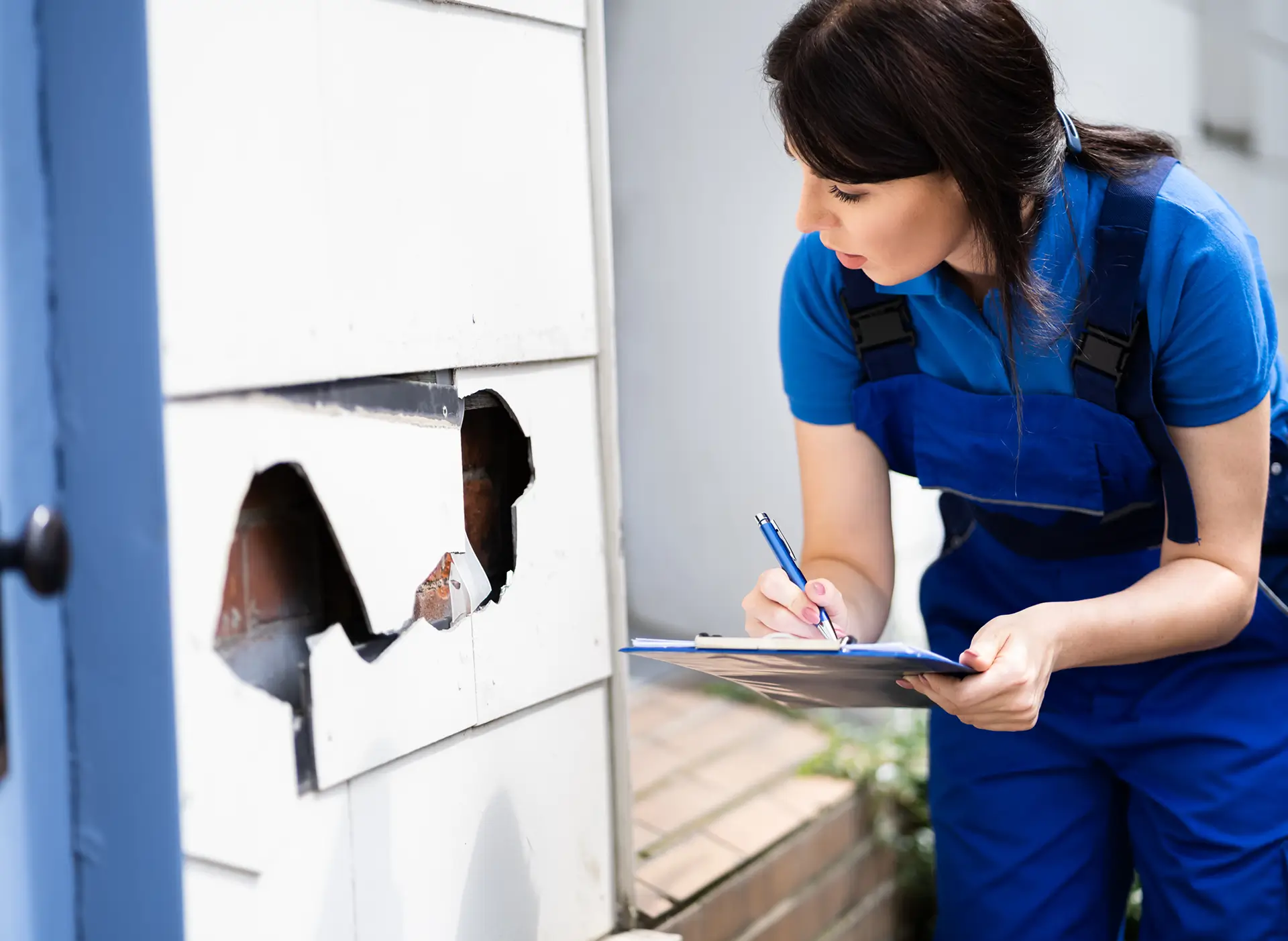
From Trusted Tradie To ‘Disaster Chaser’?
When severe weather hits, the days that follow are often chaotic.
For business owners, tradies, and property managers, that disruption can attract both legitimate repairers and opportunistic ‘disaster chasers’.
The Insurance Council of Australia (ICA) warns households and businesses to be cautious of operators offering rapid clean-ups or repairs that are not approved by insurers, as these can leave customers paying costs themselves.
Recent reporting has highlighted operators who appear soon after storms, promise to ‘handle everything’, then sting customers with inflated bills or effectively hold vehicles and properties hostage until payment is made.
Disaster chasers target storm-affected areas looking for fast contracts rather than long-term work. They often:
- Door knock with leaflets
- Pressure stressed customers to act quickly
- Ask for cash up front
- Push paperwork on the spot, or
- Overstate damage to justify higher charges.
In the worst cases, businesses are left with unauthorised repairs the insurer will not honour or work that is incomplete or below standard.
Why sticking to proper repair and claims steps matters
Severe storms and other extreme weather now cost Australians billions in insured losses over time.
Last year, insured losses from major events including the North Queensland floods and ex-Tropical Cyclone Alfred were close to 1.5 billion dollars, with more than 126,000 claims lodged.
When a business or home is damaged, the insurer will usually assess the loss before any repair work gets underway and prepare a Scope of Works. Skipping or working around these agreed processes can put a claim at risk.
If unapproved work starts before the insurer has agreed, the claim may be reduced or declined, leaving the policyholder paying for repairs that are incomplete or below standard.
This is the kind of harm disaster chasers create when they promise fast fixes ‘covered by insurance’, but have no formal link to the policy or insurer.
What should immediately raise concern after a storm
Disaster chasers often:
- Blur who they work for by implying insurer approval that does not exist
- Try to start work before a claim has been assessed or authorised
- Bypass normal repair documentation and scope approvals
- Promise outcomes that sit outside insurer processes or policy terms
- Undermine local repair networks already working with insurers

How to protect your business and your claim after a storm
Here’s the best process to follow to protect your business ask to see the repairers authority appointing them on behalf of the insurer:
- Talk to us first to log the claim and get guidance
- Avoid agreeing to repairs until we have confirmed your insurer verifies you are covered
- Check the repairer’s licence and credentials before they start work
- Ask whether any emergency work, like make-safes or tarping, is covered under your policy
- Agree to use the insurer’s preferred suppliers when you can
Your insurer will not send a tradesperson or builder to your property without letting you know first. Trades or builders engaged by your insurer will not ask you to pay them directly.
Following these steps gives you a better chance that the work will be covered and cuts the risk of losing money on incomplete or unsuitable repairs.
How reputable tradies stand out after severe weather
For tradies and repair businesses, simply turning up after a storm is not enough. Most repairers have to be pre-appointed to an insurers panel.
The reputational stakes are high. Working insurer-aligned, carrying the right cover, and communicating clearly helps build trust and repeat work.
Working properly through claims means documenting damage carefully, providing clear written quotations, and timing repair work to match assessments and approvals. The right contract works coverage protects both the customer and the tradie if something goes wrong on site.
Picking the right repair partner after storms
When damage occurs, the urge to start repairs quickly is understandable.
However, accepting the first offer without checking credentials can lead to uncovered costs and delays.
Speaking to your insurance broker or adviser early helps confirm what is covered, who is authorised to do the work, and how to protect the claim from start to finish. We can also help verify licences and approval before anything is signed.